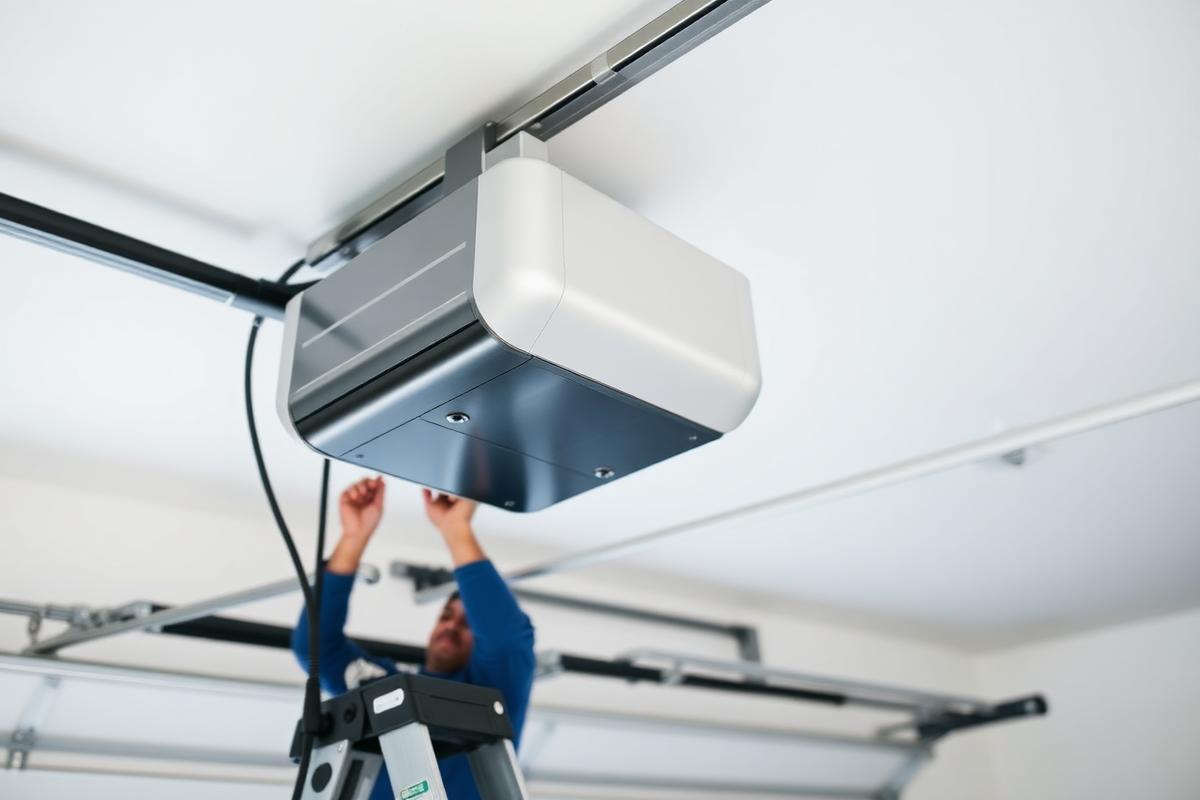
When a garage door won't respond to the remote, wall button, or keypad at all, or when it runs but sounds like it's struggling far more than it used to, the opener's motor is often the source of the problem. Motor issues range from a worn drive gear that's easy to replace to a burnt-out motor winding that means the whole unit needs replacing.
We work on the major opener brands common throughout Cape Coral and Lee County, diagnosing whether a motor problem is electrical, mechanical, or related to the surrounding drive system before recommending a repair or full opener replacement.
Common Motor Problems
A motor that hums but doesn't turn the drive mechanism often points to a stripped internal gear, which is a known wear item on many chain and belt-drive openers after years of regular use. A motor that doesn't respond at all could mean a blown capacitor, a tripped circuit, or a failed control board rather than the motor windings themselves.
Overheating is another factor we see, particularly in garages that get very hot during Florida summers, since an opener's motor housing sitting in a poorly ventilated, sun-exposed garage runs hotter than one in a shaded or well-ventilated space.
Signs of Motor Trouble
Grinding or humming without door movement, a door that starts moving then stalls, unusually slow operation, or a motor that trips the circuit breaker repeatedly are all signs pointing toward a motor issue rather than a spring, cable, or track problem.
- Motor runs but the door doesn't move
- Grinding noise from the opener unit itself
- Door moves noticeably slower than it used to
- Opener trips a breaker or blows a fuse repeatedly
Diagnosing Motor Issues
We start by ruling out simpler causes, since a heavy door with worn springs can make a perfectly healthy motor sound like it's struggling. Once we confirm the door itself is properly balanced, we test the motor's electrical components, check the drive gear and chain or belt engagement, and inspect the control board for signs of electrical damage.
Capacitor failure is common on older motors and produces a distinct humming sound without movement, which we can typically diagnose quickly and resolve with a capacitor replacement rather than a full motor swap.
Repair Versus Replacement
Some motor issues, like a stripped gear or failed capacitor, are cost-effective to repair on an otherwise sound opener. Others, like a burnt-out motor winding or a control board that's failed alongside the motor, often make more sense to address with a full opener replacement, especially on units that are already many years old.
We walk homeowners through this comparison honestly, since continuing to repair an aging opener piece by piece sometimes costs more over time than upgrading to a newer, more efficient unit.
Heat and Humidity's Effect on Opener Motors
Garages in Cape Coral routinely reach high temperatures during summer months, especially in detached garages or those without insulation. Sustained heat exposure can shorten the lifespan of motor windings and electronic components inside the opener, which is one reason motor issues tend to surface a bit earlier here than in cooler climates.
Humidity also plays a role in electrical connector corrosion inside the opener housing, which can cause intermittent motor performance that's sometimes mistaken for a mechanical issue.
Commercial Motor Repair
Commercial-grade openers use heavier duty motors built for frequent cycling, but they aren't immune to failure, especially on doors that operate dozens of times a day. We service commercial motor units with the same diagnostic approach, factoring in the higher-duty components those systems use.
How Motor Health Connects to the Rest of the Door
A struggling motor is sometimes a symptom of a heavier underlying issue, like worn springs putting extra strain on the opener. We always check the door's balance and hardware alongside any motor repair, since fixing the motor without addressing an imbalance just sets up the new repair for premature wear.
Garage Door Motor Repair questions
- Why does my garage door opener hum but not move the door?
- This often points to a failed capacitor or a stripped internal gear, both of which prevent the motor from actually engaging the drive mechanism even though it's receiving power.
- Is it worth repairing an old opener motor or should I replace the whole unit?
- It depends on the opener's age and the specific failure. A stripped gear or bad capacitor is usually worth repairing, while a burnt motor winding on an older unit often makes more sense to address with full replacement.
- Can a heavy garage door burn out the opener motor faster?
- Yes, if the door's springs are worn and the door is out of balance, the motor has to work harder on every cycle, which accelerates wear and can shorten the motor's lifespan.
- Does Florida heat really affect garage door opener motors?
- Extended exposure to high heat in an unventilated garage can shorten the life of motor windings and electronic components, which is something we factor into diagnosing recurring motor issues in this climate.
- How do I know if it's the motor or the springs causing my door problems?
- A struggling motor with a door that's still moving smoothly by hand usually points to the motor, while a door that's genuinely heavy to lift manually points toward worn springs putting strain on an otherwise healthy motor.