
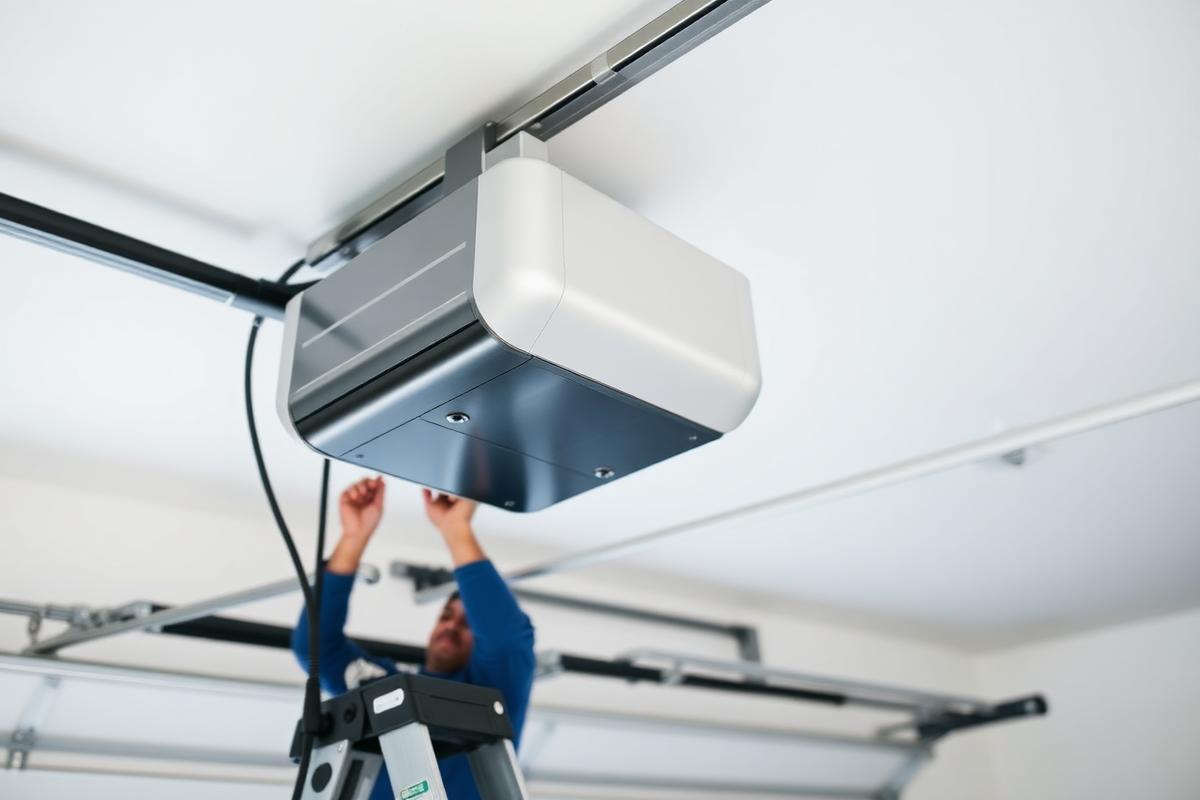
The two small photo-eye sensors mounted near the bottom of your garage door tracks exist for one reason: to stop the door from closing on a person, pet, or object in its path. When those sensors fail or lose alignment, the door often refuses to close at all, or it closes partway and reverses without any obvious obstruction.
This is one of the most common service calls we get in Cape Coral, since something as small as a spider web across the sensor lens or a sensor bracket bumped by a bicycle can throw off the alignment enough to stop the door from working.
Why Garage Door Sensors Fail
Sensor problems usually come down to alignment, obstruction, or wiring. If one sensor gets nudged out of position, even slightly, the two units lose their line of sight and the opener won't allow the door to close. Dust, cobwebs, and lawn debris can also block the lens enough to trigger a false reading.
Wiring issues are less common but do happen, particularly in garages where sensor wires run along the floor or wall and get pinched, chewed by pests, or nicked during other work in the garage.
Signs Your Sensors Need Repair
The clearest sign is a door that closes partway and reverses, or one that won't respond to the close command at all while still opening normally. Blinking indicator lights on the sensor units themselves usually signal a communication or alignment problem.
- Door reverses immediately after starting to close
- One or both sensor LEDs blink instead of staying solid
- Door only closes when held down manually on the wall control
- Door works fine in the morning but fails after rain or lawn work
Diagnosing the Problem
We check sensor alignment first with a level and by testing the beam path, then inspect the lenses for dirt, moisture, or spider webs. If alignment and cleanliness aren't the issue, we trace the wiring back to the opener unit, looking for loose connections, corrosion at the terminals, or damaged insulation along the run.
Sometimes the sensors themselves have simply failed after years of exposure to humidity and temperature swings inside an uninsulated garage, in which case replacement is more practical than continued troubleshooting.
Repair and Replacement Process
For alignment issues, we reposition the brackets and re-secure them so the sensors hold their aim over time, since a loose bracket will just drift out of alignment again. For failed units, we install replacement sensors compatible with the existing opener brand and confirm both the open and close cycles work correctly with an object placed in the beam path as a test.
Humidity and Pests in Cape Coral Garages
Florida's humidity can fog sensor lenses or promote condensation inside the housing, especially in garages that aren't climate controlled. Insects are drawn to the small gap around sensor wiring, and we regularly find webs or nesting debris blocking the lens on service calls, particularly in garages near landscaped or wooded lots.
Seasonal residents who leave homes vacant for months sometimes come back to find sensors coated in dust or misaligned from lawn crews working near the garage, so we recommend a quick sensor check as part of any pre-season home reopening.
Safety Comes First
We never recommend bypassing or disabling malfunctioning sensors to force a door closed. Federal safety standards require working auto-reverse sensors on residential garage door openers, and disabling them removes a critical safeguard for children and pets who might be in the door's path.
Commercial Sensor Applications
Commercial overhead doors often use similar photo-eye technology, sometimes paired with additional edge sensors on higher-traffic doors. We service these the same way, checking alignment and wiring integrity, with attention to the heavier vibration and more frequent cycling commercial doors experience.
Garage Door Sensor Repair questions
- Why does my garage door open fine but won't close?
- This is the classic symptom of a sensor problem. The opener treats a lost sensor signal as an obstruction, so it will run the open cycle but refuse to complete a close cycle until the beam is restored.
- Can I fix garage door sensors myself?
- Simple cleaning or straightening can sometimes help, but bent brackets, wiring issues, or failed sensor units are best handled by a technician to make sure the safety function is fully restored.
- Do lawn crews or pressure washing bump sensors out of place often?
- Yes, it's a common cause we see, especially when sensors are mounted close to the ground where trimmers, hoses, and equipment pass by regularly.
- How do I know if it's a sensor issue versus an opener issue?
- If the door opens normally but stops or reverses only when closing, and the sensor LEDs are blinking or off, it points to the sensors rather than the opener's motor.
- Will humidity damage my garage door sensors over time?
- Extended exposure to Florida's humidity can affect sensor housings and wiring connections, which is why we check sensor condition during general maintenance visits.