Garage Door Won't Open: Common Causes
Garage Door Won't Open? Here Are the Most Common Causes
Published April 8, 2026
Start With the Basics
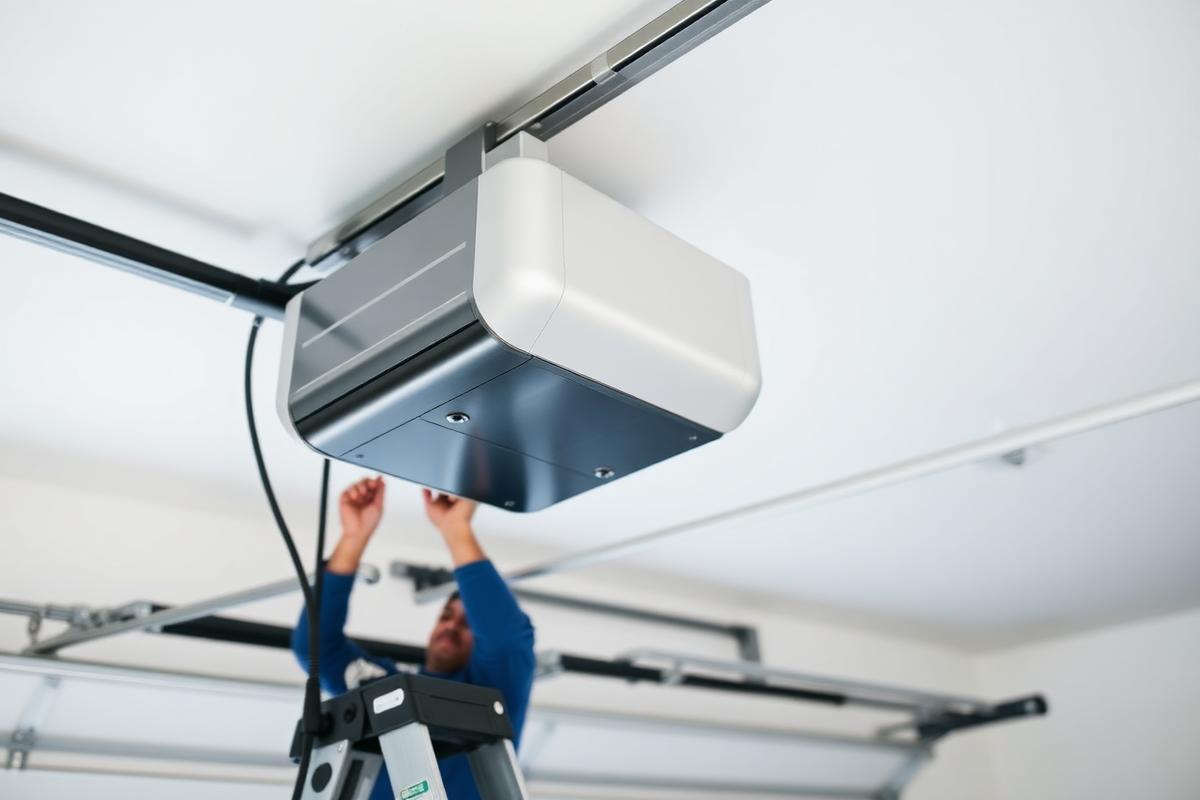
Before assuming a mechanical failure, check the obvious: is the opener plugged in, has a breaker tripped, and are the remote or wall switch batteries fresh? It sounds simple, but power interruptions during Southwest Florida storms cause a real share of "won't open" calls, especially if the outlet is on a circuit affected by an outage or a tripped GFCI.
A Broken Spring
If the door won't budge even when you try to lift it manually, or it feels extremely heavy, a broken torsion or extension spring is a likely cause. Springs do the heavy lifting for the whole system, and without one intact, the opener simply doesn't have enough mechanical assistance to move the door. You may notice a loud bang at some point beforehand, which is often the spring letting go.
Misaligned or Dirty Photo-Eye Sensors
Modern openers won't close the door if the safety sensors near the floor are blocked, dirty, or knocked out of alignment. Interestingly, this can also affect opening in some opener models that check sensor status before running a cycle. A blinking light on the opener unit is often a clue pointing to a sensor issue rather than a mechanical one.
A Snapped Cable
The steel cables that work alongside the springs can fray and eventually snap, especially in salty, humid air that promotes corrosion. A broken cable usually causes the door to hang unevenly or refuse to move on one side, and it should never be handled without the door safely secured, since a cable under tension can whip unpredictably.
Track Obstruction or Misalignment
Debris in the track, a bent section, or rollers that have popped out of the channel can all physically block the door's path. Sometimes this is visible from a quick look along the track; other times a bend is subtle enough that it takes a trained eye to spot.
Opener Motor or Gear Failure
If the motor runs but the door doesn't move, the internal drive gear — often made of nylon specifically so it fails before damaging the motor — may have stripped. This is a fairly common opener issue after years of use and is usually a straightforward repair rather than a sign the whole system needs replacing.
Battery Backup Problems
Many newer openers include a battery backup so the door can still operate during a power outage, which is a genuinely useful feature during Florida's storm season. If that battery is weak or hasn't been tested in a while, the opener may behave erratically or fail entirely the moment grid power drops, even though everything else about the unit is fine.
Keypad and Remote Programming Glitches
If a wireless keypad or a specific remote stops working while others continue to function normally, the issue is often a lost pairing rather than a hardware failure. Reprogramming that single device is usually quick, and it's worth trying before assuming a bigger opener problem, especially if the door responds fine to other controls.
A Faulty Wall Control Console
The wall-mounted button inside the garage wires directly to the opener and can develop loose connections or internal wear over years of use. If the remote works but the wall button doesn't, or vice versa, that mismatch helps narrow down whether the fault sits with the control itself or somewhere else in the system.
When It's a Safety Issue, Not a DIY Fix
If your troubleshooting points toward a broken spring or cable, stop and call a professional rather than attempting to force the door open or adjust the tensioned components yourself. These parts store enough energy to cause serious injury, and a technician has the right tools and training to address them safely.
Related questions
- My door won't open but the opener light is on — what does that mean?
- This often points to a sensor issue or the opener struggling against a mechanical problem like a broken spring, rather than a power issue.
- Can a power outage after a storm affect my garage door?
- Yes, and even after power returns, some openers need to be reset or reprogrammed, and battery backup units may need their battery checked.
- Is it safe to manually pull the emergency release cord myself?
- Yes, this is designed for homeowner use to disconnect the opener, but be cautious if you suspect a broken spring, since the door could be heavier or unbalanced.
- How do I know if it's the sensors and not the springs?
- If the door lifts easily by hand when disconnected from the opener, springs are likely fine, pointing instead toward sensors, the opener, or the remote.
- What should I do first if my door suddenly won't open?
- Check power and batteries, look for blinking lights on the opener, and visually inspect for an obvious broken spring or cable before calling a technician.
Keep reading
Garage doors rarely fail without warning. Here are the sounds, movements, and small changes that mean it's time to call for a repair.
Garage Door Opener Troubleshooting GuideOpeners fail for a range of reasons, from dead batteries to failing circuit boards. Here's a step-by-step way to narrow down what's really wrong.
Garage Door Cable Problems ExplainedCables do the quiet, unglamorous work of guiding your garage door's weight safely, and when they start to fail, the warning signs are easy to miss until the door won't move at all.