How Florida Humidity Affects Garage Doors
How Florida's Humidity Slowly Wears Down Your Garage Door
Published May 28, 2026
A Climate That Never Fully Dries Out
Cape Coral sits in a subtropical climate where relative humidity regularly stays high even outside the rainy season, and garages — often unconditioned spaces — trap that moisture even more than the rest of a home. Unlike drier climates where metal and wood components get periodic relief, garage door hardware here is almost constantly exposed to some level of ambient moisture.
Steel Hardware and Corrosion
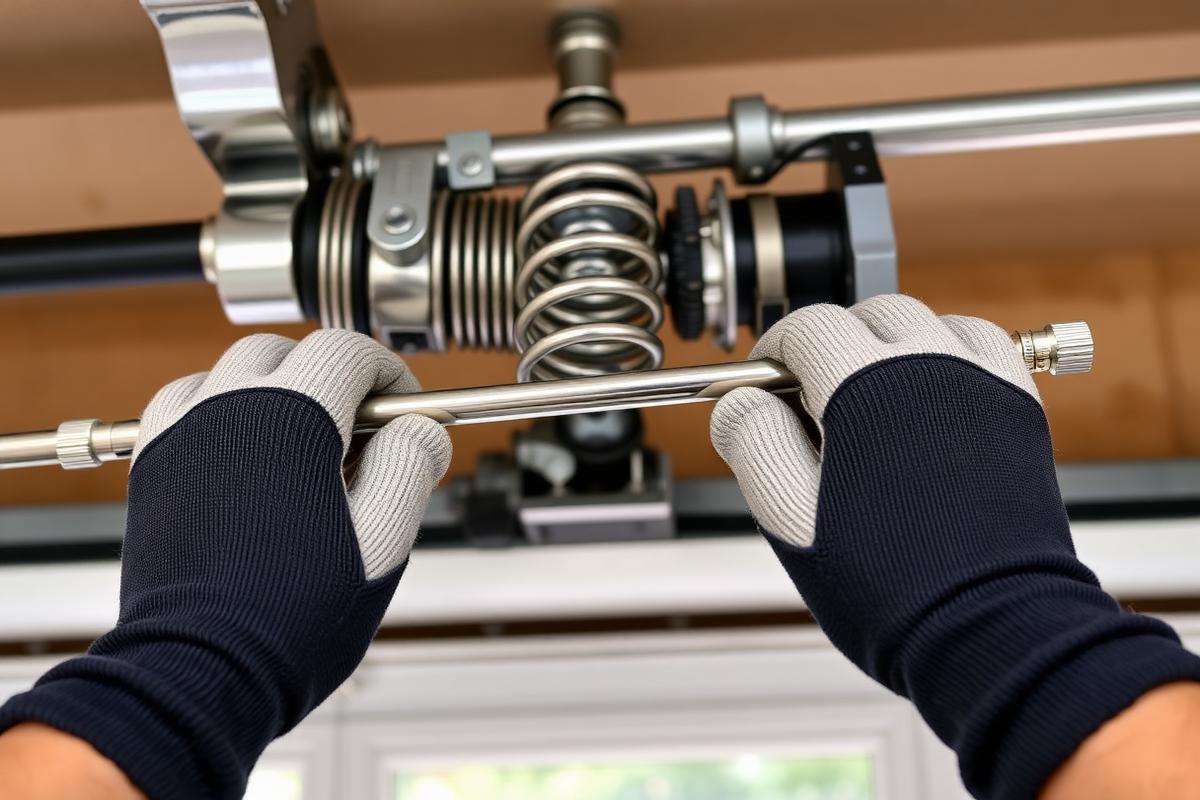
Humidity is one of the main drivers of oxidation on unprotected or lightly coated steel. Springs, cables, hinges, and track hardware are all vulnerable, and even galvanized coatings, which are designed to resist rust, can eventually break down under sustained exposure, especially where the coating has been scratched or worn during normal use.
Wood Doors and Panels
Homes with wood or wood-composite garage doors face a different challenge: humidity causes the material to absorb moisture and swell slightly, then contract as conditions change. Over repeated cycles, this can lead to warping, cracking of paint or sealant, and eventually structural issues at panel joints if the wood isn't properly sealed and maintained.
Condensation Inside Insulated Doors
Insulated steel doors can develop condensation between the layers if the seal around the insulation is compromised, particularly during Southwest Florida's swing seasons when outdoor humidity and temperature shift quickly. Over time, trapped moisture inside a panel can promote rust from the inside out, which is harder to spot early than surface corrosion.
Electronics Are Not Immune
Garage door openers, remote sensors, and keypads all contain circuit boards and contacts that can be affected by humidity. Condensation forming on components during rapid temperature changes, like a hot afternoon followed by a cooler evening, can cause intermittent electrical issues that are sometimes mistaken for a failing opener when the root cause is moisture-related.
Lubricants Break Down Faster
The protective lubricant coatings on springs, hinges, and rollers wear away more quickly in consistently humid conditions, which is part of why more frequent lubrication is worth doing here than manufacturer guidelines written for drier climates might suggest.
Garages Used as Extra Living or Storage Space
Many Cape Coral homeowners use part of the garage for storage, a home gym, or even a converted workspace, which means humidity's effects reach more than just the door hardware. Cardboard, wood furniture, and stored electronics in an unconditioned garage face the same moisture exposure as the door itself, which is worth keeping in mind when deciding how the space gets used.
Proximity to Canals and the Gulf Compounds the Effect
Humidity alone is one factor, but homes closer to canals, the Caloosahatchee, or the Gulf deal with the added presence of airborne salt, which draws moisture to metal surfaces even more aggressively than humidity by itself. Garages on these properties often show hardware wear noticeably faster than similar homes just a few miles further inland.
Recognizing Humidity Damage Already in Progress
Because humidity's effects build gradually, it helps to know what early damage actually looks like before it becomes an obvious functional problem.
- Fine orange discoloration on bolts, hinges, or track edges
- A musty smell lingering in an attached garage
- Paint or sealant bubbling slightly on a wood door panel
- An opener that behaves inconsistently after quick temperature swings
- Lubricant that seems to disappear or dry out faster than expected
Reducing Humidity's Impact
Improving garage ventilation, using a dehumidifier in an attached garage during the wettest months, applying rust-inhibiting lubricant regularly, and having hardware inspected at least annually are all practical ways to slow the effects described here. None of these steps eliminate humidity's impact entirely, but together they meaningfully extend the useful life of the system.
Related questions
- Can a dehumidifier in the garage really help my garage door last longer?
- Yes, reducing ambient moisture can slow corrosion on metal hardware and reduce condensation-related issues in electronics and insulated panels.
- Why does my wood garage door look warped after just a few years?
- Repeated swelling and contraction from humidity exposure, especially without a well-maintained sealant, can gradually warp wood panels over time.
- Is condensation inside an insulated door a serious problem?
- It can be, since trapped moisture promotes internal rust that's harder to detect early than surface corrosion, so a compromised seal is worth addressing promptly.
- Does humidity affect garage door openers as much as the door itself?
- It can, particularly circuit boards and sensor components, which are sometimes affected by condensation during quick temperature swings.
- How often should I lubricate hardware given the humidity here?
- Every three to four months is a reasonable schedule for most Cape Coral homes, more frequent than manufacturer guidelines written for drier climates.
Keep reading
Homes near the canals and Gulf coast fight a constant, quiet enemy: salt-laden air that eats through unprotected metal hardware faster than most homeowners expect.
Common Garage Door Problems in Cape CoralFrom corroded hardware to noisy openers, here are the garage door issues we see most often across Cape Coral neighborhoods and why they happen.
Garage Door Maintenance TipsA little routine attention goes a long way in a climate this tough on hardware. Here's what actually makes a difference for Cape Coral garages.