How Long Do Garage Door Springs Last
How Long Garage Door Springs Actually Last in Southwest Florida
Published March 5, 2026
Cycle Ratings vs. Real Life
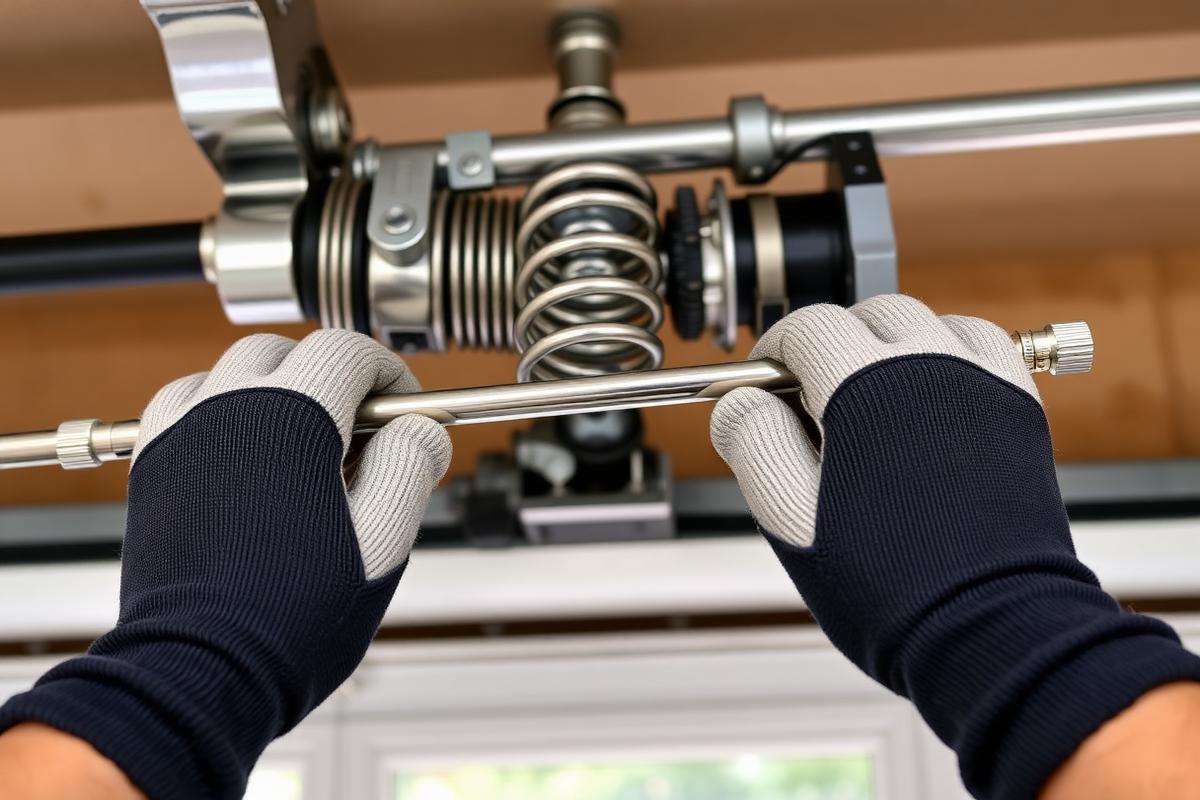
Most residential torsion springs are rated for somewhere between 10,000 and 15,000 cycles, with higher-end springs occasionally rated up to 20,000 or more. A cycle simply means one full open and one full close. On paper, a household using the garage twice a day could expect roughly 7 to 10 years before hitting the rated cycle count.
In practice, that number is a manufacturing benchmark tested under controlled conditions, not a guarantee. Real garages deal with heat, humidity, dust, and inconsistent maintenance, all of which shift the timeline.
How Usage Patterns Change the Math
A family that comes and goes multiple times a day, runs a home business out of the garage, or uses it as the main entrance will cycle through those 10,000 rotations far faster than a household that parks in the driveway and rarely opens the door. We've seen high-use households need replacement in as little as 4 to 5 years, while low-use homes stretch well past a decade.
The Cape Coral Climate Factor
Salt air, humidity, and heat all accelerate the fatigue and corrosion processes described in coastal garage door research generally. A spring rated for 10,000 cycles elsewhere might realistically deliver fewer effective cycles here if corrosion introduces stress points on the wire before it reaches its mechanical limit.
This is especially true for garages that aren't insulated or ventilated, where trapped humidity sits against the metal for long stretches during the wetter months.
Extension Springs vs. Torsion Springs
Torsion springs generally last longer and provide smoother, more balanced lifting because they're engineered as a matched pair sized to the door's weight. Extension springs, common on older Cape Coral homes, tend to wear a bit less predictably and are more prone to stretching unevenly over time, which can shorten their useful life relative to their cycle rating.
Signs Your Springs Are Nearing the End
A door that feels noticeably heavier when opened manually, visible gaps between coils, rust concentrated in one section of the spring, or an opener that strains and makes a higher-pitched motor sound are all indicators worth acting on.
- Door drifts down slowly after being left partway open
- Loud popping or banging noise from the spring area
- Cables look loose or slightly slack at the bottom brackets
- Door looks crooked or uneven when closing
Replacing in Pairs
When one torsion spring fails, we generally recommend replacing both, even if the second one hasn't broken yet. Springs installed at the same time have usually gone through a similar number of cycles and similar environmental exposure, so the second is often close behind. Replacing both also keeps the door balanced evenly on both sides.
Heavier and Hurricane-Rated Doors Change the Math
A standard door and an insulated or hurricane-rated door of the same size don't put the same demand on their springs. Heavier doors need springs engineered for more lifting force, and if a spring was sized for the original lighter door but never updated after a door replacement, it can wear out well ahead of schedule regardless of how carefully it's maintained.
This is a detail worth double-checking any time a garage door itself is replaced, since reusing old springs on a new, heavier door is a common oversight that shortens spring life considerably.
Commercial and Multi-Use Garages
Garages that see heavier daily use — a home business, a property with multiple vehicles sharing one bay, or a detached garage used as a workshop — cycle through spring life noticeably faster than a typical two-car residential garage used once or twice a day. For these situations, planning ahead for earlier replacement, rather than waiting for a failure, helps avoid unplanned downtime.
Keeping a Simple Maintenance Record
Because spring life depends so heavily on usage and environment rather than a fixed calendar date, keeping a simple note of when springs were last replaced or inspected makes it much easier to judge whether current symptoms are expected wear or something to address sooner.
- Note the installation or replacement date of your springs
- Track roughly how many times per day the door cycles
- Record any professional inspection findings, even minor ones
- Note visible rust or coil gaps the first time you see them
Why This Isn't a DIY Job
Whatever the spring's age, replacing it means working with a component under significant stored tension. Winding bars, proper bracing, and knowing the correct turn count for your specific door are all necessary to do this safely. A miscalculated adjustment can cause the spring or bar to release suddenly with enough force to cause serious injury, so this is a task for a trained technician rather than a weekend project.
Related questions
- What is a typical garage door spring lifespan in Cape Coral?
- Many homeowners see 5 to 10 years depending on usage frequency, spring type, and how much salt air and humidity exposure the garage gets.
- Do heavier doors wear out springs faster?
- Heavier doors, like insulated or hurricane-rated models, require springs sized specifically for that weight, and using undersized springs will shorten lifespan regardless of climate.
- Should I replace both springs at once?
- In most cases yes, since springs installed together tend to wear at a similar rate, and replacing both keeps the door balanced.
- Can regular maintenance extend spring life?
- Yes, periodic lubrication and a professional balance check can meaningfully extend usable life by reducing friction and catching early corrosion.
- Is it dangerous if my spring looks stretched or gapped?
- Yes, a visibly stretched or gapped spring can be close to failure and should be inspected and replaced by a professional before it breaks under tension.
Keep reading
Torsion and extension springs work harder in Southwest Florida than almost anywhere else in the country. Here's what's actually happening to the metal.
Garage Door Safety Checklist for HomeownersA garage door is one of the largest, heaviest moving objects in most homes, and a few minutes of regular checking can prevent the kind of failure that leads to injury or costly damage.
Garage Door Maintenance TipsA little routine attention goes a long way in a climate this tough on hardware. Here's what actually makes a difference for Cape Coral garages.